
Connected Communities
Over the last three years Sported has been working in numerous communities trialling place based and thematic approaches to supporting community groups and clubs.
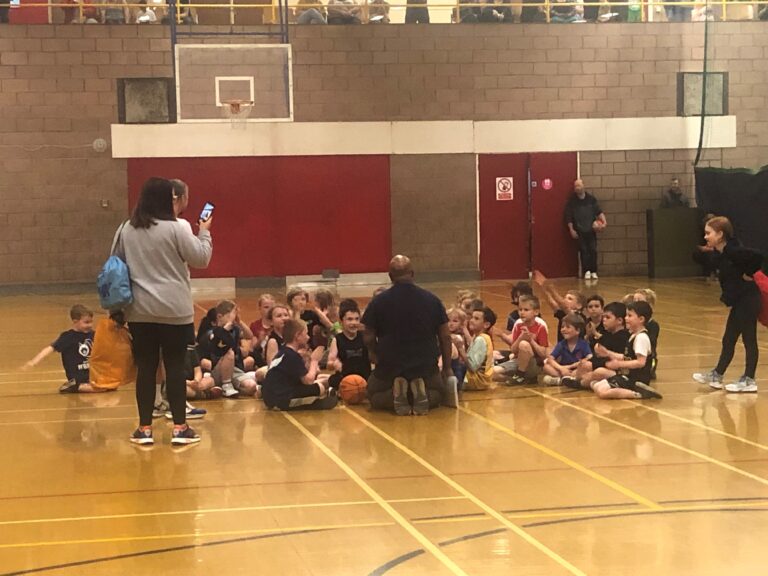
Our Connected Communities model aims to bring people together to help identify barriers and challenges facing young people, and to find solutions helping young people to be more physically active.
We support communities to take charge of their own future and work together to create positive change within their community. Our work brings people together from different sectors to address key challenges, connecting wider partners in a place, or on a topic, and empowers them to work together to deliver localised plans and solutions co-designed by the community, for the community.
Why this approach?
We know that times are tougher than ever for community groups and sports clubs supporting young people. The ongoing effects of Covid, the Cost of Living Crisis, the ever more competitive funding environment, the challenge of finding and retaining volunteers, and the fact that many young people are struggling with their mental health – are all factors making survival, and delivery of activities increasingly difficult for grassroots organisations.
Our Connected Communities work aims to bring people together from different sectors to address key challenges, connecting wider partners in a place, or on a topic, and working together on specific agreed challenges. Some examples of our work:
Our Connected Communities work has taken two routes:
Place Based
Thematic
Place Based
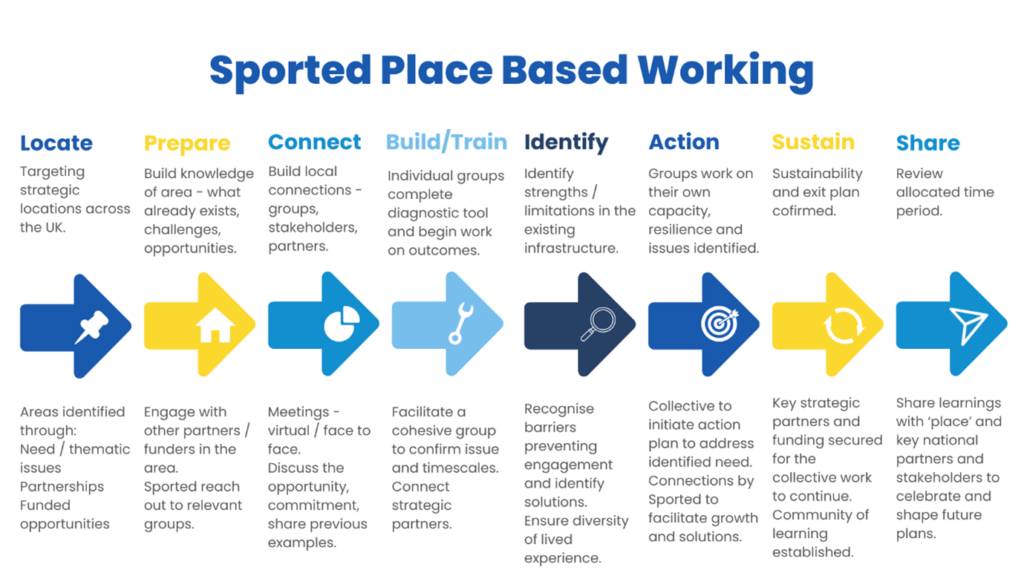
We have led Connected Communities projects in Hartlepool, the Isle of Wight, London (Lewisham & Greenwich, Waltham Forest, Ealing & West London, Lambeth & Southwick and Model City), and Rhyl. We’ve taken a partnership approach connecting with partners and stakeholders in the area, agreeing the priorities to address, that are holding young people back and reducing the likelihood of them taking part in sports or physical activity.
Thematic
We have brought together Sported members and system partners with a interest in a number of themes; Social Prescribing, Rural Isolation, Black Leaders In Sport Network, and Community Safety. We want to identify good practice in these topic areas and share information.
Black leaders in Sport: This network began in November 2021 to establish a working group of Black leaders from Sported member groups and the wider sport for development sector. Initially challenging as it was difficult to identify priority themes to address; however information sharing, peer support, sharing topical issues and supporting wellbeing has been an important focus of the group. Gathering information, advocacy, involving black leaders in sport at all levels, holding organisations accountable, giving black leaders a voice, and effecting change – are key themes and aims of the network going forward. This is the first group of its kind, and the network meets weekly.
Rural Isolation: Work began in April 23 to look at the challenges rurally isolated community groups were experiencing. Sported members were surveyed and brought together via a focus group to discuss and understand their experiences in more depth. A learning report is underway enabling sharing of good practice, and to raise awareness of the challenges that exist; exploration of a partnership approach is also underway.
Community Safety: In April 23 Work began to increase our understanding of Community Safety and the definition of the topic. Engagement has taken place with Partner organisations and community groups across England allowing identification and discussion around current work and challenges experienced. Desk research has been completed and virtual learning sessions were convened in Spring 24. Report of findings and best practice is underway and will be shared.
Places
Work commenced in Hartlepool in October 2021; working with local partners and consulting with Sported Members and local community groups and stakeholders. Providing opportunities for young people with Special Educational Needs or for YP people with a physical disability were identified as key priorities for the work.
Work started in the Isle of Wight in October 2021; sector partners and sported members came together to identify the main barriers for young people on the Island. Key challenges were identified as availability and access to facilities, and workforce development.

The Sported London Team began their Connected Communities work in April 2020. Listening to and working with partners key challenges prioritised across the 5 areas included: Accessing Facilities, Social Prescribing, Improving connections, Football pitch planning, and improved links with Local Authorities.
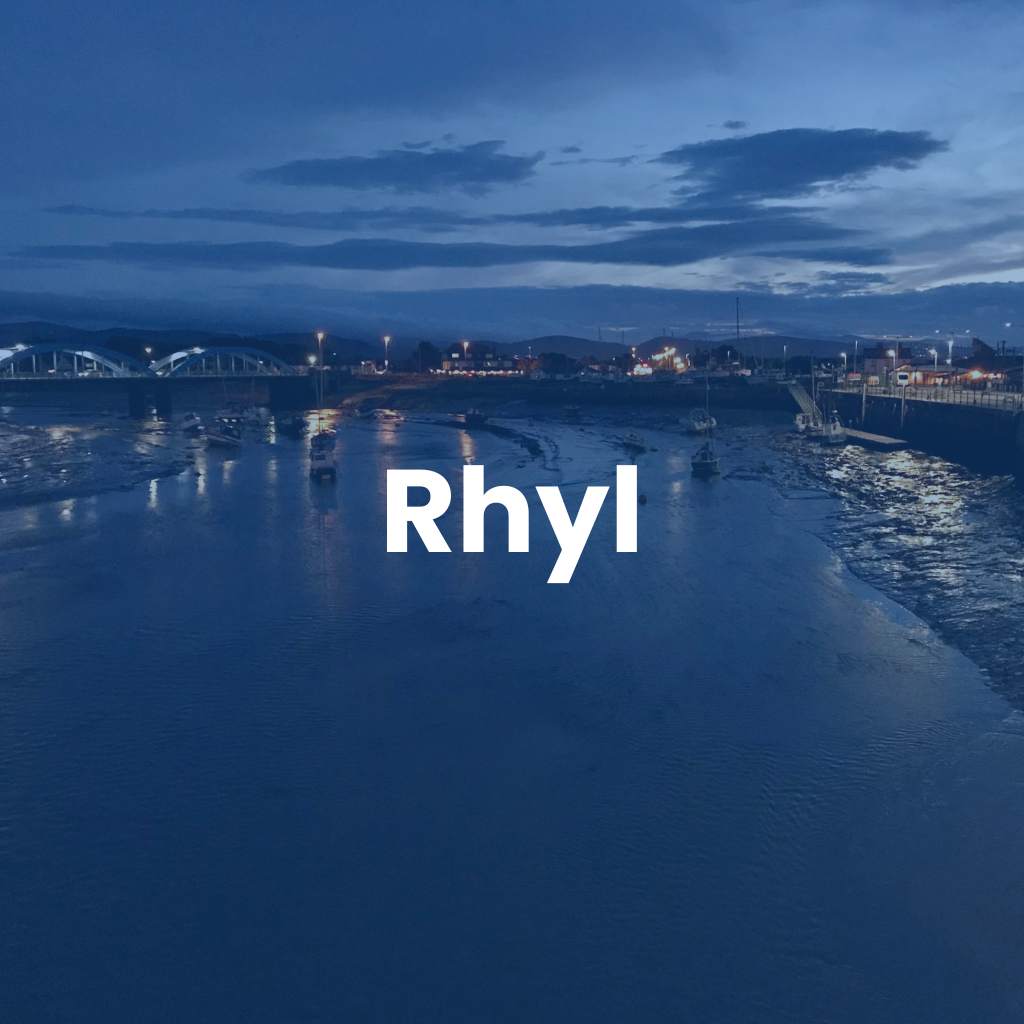
Brought community groups together to have a shared conversation and shared approach to tackling local challenges. Since the work began in October 22, regular meetings have taken place. The work was immediately of interest locally and gathered momentum quickly with a lead group established and several joint projects underway
Key Learnings Infographic
Key Learnings - Connected Communities
Coming soon